Lizard Redwork: A Pro Review for Small Business Merch
As an embroidery designer who has spent years digitizing and reviewing files for commercial use, I approach every new machine embroidery design with a critical eye. It is not just about whether the image looks cute on a screen; it is about how that digital embroidery file translates into a tangible asset for a brand. Today, I am taking a close look at Lizard Redwork. This reptile-themed design offers a unique opportunity for small business owners, from boutique cafes to pet brands, to add a touch of personality to their merchandise. However, before you commit to stitching this onto hundreds of uniforms or tote bags, we need to evaluate its performance in real-world scenarios.
First Impressions and Visual Personality
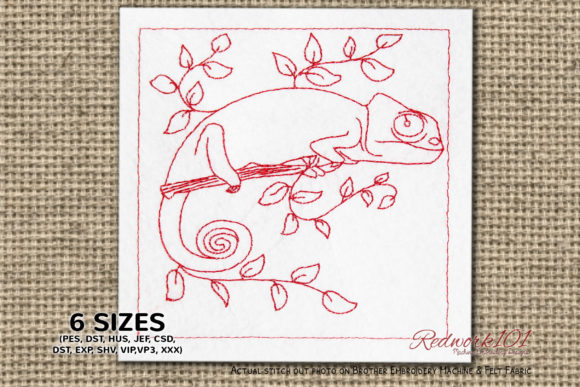
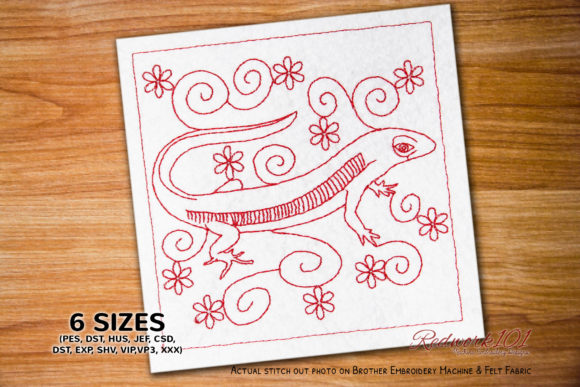
The moment I loaded the preview for Lizard Redwork, the aesthetic was immediately clear. The "Redwork" style implies a single-color outline approach, which often lends itself to a rustic, handmade, or vintage feel. Unlike complex, multi-layered designs that scream "corporate," this piece feels friendly and approachable. It strikes a balance between playful and classic, making it versatile for various industries. For a florist looking to brand their aprons or a creative studio wanting a subtle sleeve detail on staff shirts, this design exudes a sense of artisanal quality.
The description notes that the box stitch shown in promotional images is optional. This is a crucial detail for professional application. Having the option to remove the border allows the lizard motif to stand alone, which is often necessary when working with limited space on caps or small patches. The flexibility to adjust the outer box color or omit it entirely suggests that the designer understands the needs of custom apparel decorators who must match specific brand palettes.
Real-World Applications for Small Business Merch
When considering where to deploy Lizard Redwork, the possibilities for small business merch are extensive. Let's break down how this design performs across different products:
- Embroidered Patches: This is arguably the strongest use case. A redwork-style lizard makes for an excellent iron-on or sew-on patch. Because the design relies on outlines rather than heavy fill stitches, it remains legible even at smaller sizes. Brands can sell these as standalone accessories or include them as a free gift with purchase to boost customer loyalty.
- Staff Uniforms and Aprons: For a bakery or café with a nature-inspired theme, placing this design on the chest pocket of an apron adds a professional yet whimsical touch. The simplicity of the line work ensures it doesn't overwhelm the garment, maintaining a clean look that customers associate with hygiene and professionalism.
- Cap Embroidery: Front-panel embroidery on baseball caps is tricky due to the curve and limited height. If the optional box is removed, Lizard Redwork could work well here, provided the stitch count isn't too high. It serves as a great logo accent for outdoor guides or pet grooming services.
- Tote Bag Design: Canvas totes are a staple for retail shops. The bold lines of a redwork design pop beautifully against textured canvas fabric. It transforms a simple bag into a branded statement piece that customers will actually want to carry around town.
Technical Considerations and Potential Pitfalls
While the aesthetic is promising, a professional review must address the technical challenges. Redwork designs are generally forgiving, but there are specific areas where Lizard Redwork requires careful handling.
Stitch Density and Fabric Texture: One of the biggest risks with outline-heavy designs is underlay stability. If the stitch density is too low, the design may look sparse on plush towels or thick fleece. Conversely, if the stitches are too tight on a lightweight poly-blend shirt, the fabric might pucker. I always recommend testing the embroidery file on the exact fabric you intend to use. For textured fabrics like canvas or denim, ensure the thread weight is substantial enough to bridge the gaps in the weave.
Curved Surfaces and Hoop Size: When applying this to cap fronts or curved sleeves, the distortion factor increases. The long, continuous lines typical of redwork can warp if the hooping tension isn't perfect. You must confirm the required hoop size before purchasing. If the design is larger than a standard 4x4 hoop, you may need a multi-needle machine or a larger frame, which impacts production costs for small batches.
Color Contrast: Since this is a redwork style, it likely relies on a single thread color. On dark uniforms, a standard red thread might get lost. You may need to adjust the thread colors in your software to ensure high contrast. A bright lime green or stark white might serve the brand identity better than traditional red, depending on the background fabric.
Impact on Brand Identity and Customer Trust
In the world of commercial embroidery, consistency is king. Using a cohesive set of design assets helps build recognition. Lizard Redwork can be a pivotal element in establishing a brand's visual language. For a pet brand or a reptile rescue, this image instantly communicates the niche. For a general lifestyle brand, it suggests an appreciation for nature and detail.
High-quality embroidery signals professionalism. A sloppy, puckered logo tells a customer that the business cuts corners. However, a crisp, well-executed lizard motif on a tote bag or hat elevates the perceived value of the finished product. It tells the customer that the business cares about presentation. This attention to detail fosters trust and can turn a one-time buyer into a repeat customer who associates the brand with quality craftsmanship.
Designer Notes for Production Success
Before you run a production batch, follow these practical steps to ensure the best results with Lizard Redwork:
- Test in Black and White: Convert your preview to grayscale to check the contrast and line definition without the distraction of color.
- Check Small Patch Viability: Stitch a sample at the smallest intended size (e.g., 2 inches) to ensure the details do not merge or disappear.
- Review Thread Contrast: Ensure your chosen thread color stands out sharply against the garment color.
- Inspect Spacing: Look for areas where stitches might be too close together, causing thread breaks or bird-nesting.
- Use Proper Stabilizer: Select a cut-away stabilizer for stretchy fabrics and tear-away for stable wovens to prevent distortion.
- Create a Printable Mockup: Before stitching, place the design on a digital mockup of your product to visualize the final look for client approval.
- Verify Licensing: Always confirm the commercial licensing terms of the digital embroidery file to ensure you have the right to sell items featuring this design.
In conclusion, Lizard Redwork is a versatile and charming addition to any embroidery library, particularly for businesses aiming for a handmade, authentic vibe. While it requires standard due diligence regarding fabric choice and stabilization, its potential to enhance brand identity and create memorable custom apparel is significant. Whether used as a subtle chest logo or a bold patch statement, this design has the power to bring a brand's story to life, one stitch at a time.