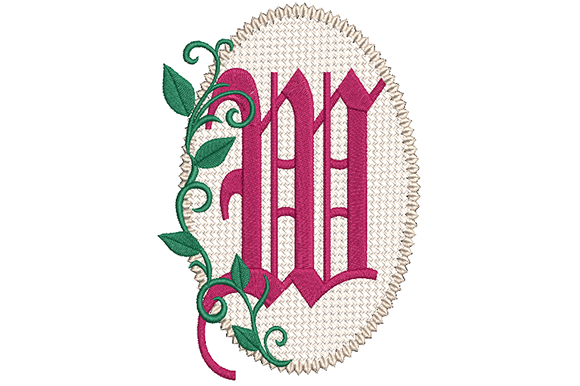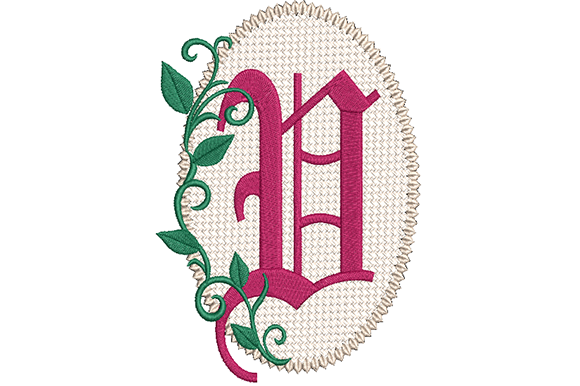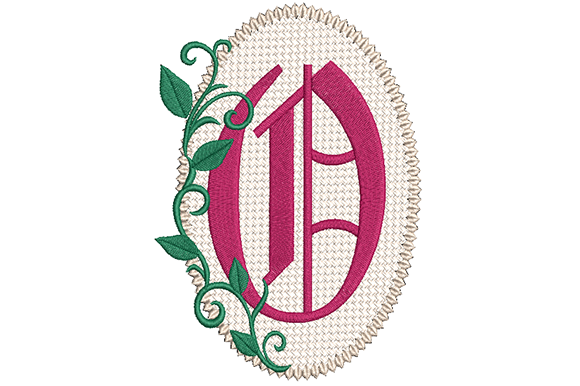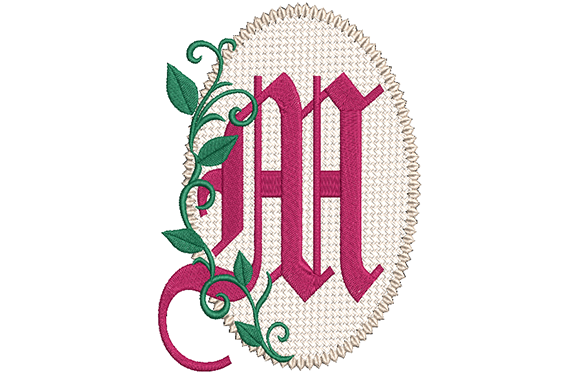
Olde English Monogram Letter X Review for Business Merch
As an embroidery designer who has spent years digitizing and reviewing files for commercial use, I approach every new machine embroidery design with a critical eye. It is not enough for a file to look pretty on a screen; it must perform under the pressure of production, withstand frequent washing, and elevate a brand's identity. Today, I am reviewing the Olde English Monogram Letter X, a piece that initially caught my attention for its potential in the Wedding Monogram category but holds significant promise for small business merchandise and branded patch applications.
First Impressions: Elegance Meets Utility
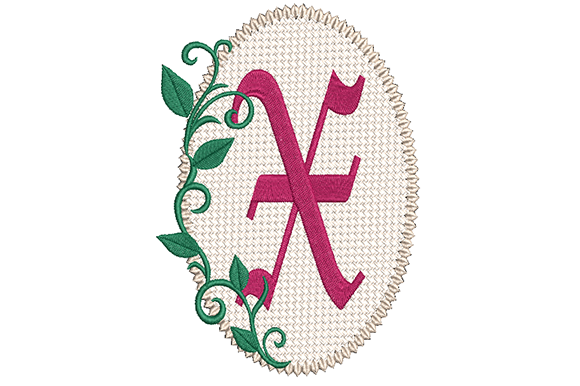
Upon loading the digital embroidery file, the first thing that strikes me is the classic sophistication of the typeface. The Olde English style immediately conveys a sense of tradition, craftsmanship, and premium quality. For a boutique bakery, a floral studio, or a heritage coffee shop, this aesthetic is invaluable. The description highlights a "knockdown stitch," which is a crucial detail for any professional. This technique typically involves a base layer of stitching that flattens the nap of the fabric before the main design is applied. In my experience, this feature suggests the design is engineered to sit flat and clean, preventing the puckering that often plagues dense lettering on textured materials like towels or canvas tote bags.
The visual personality of the Olde English Monogram Letter X feels both rustic and refined. It avoids looking overly ornate to the point of illegibility, which is a common pitfall in blackletter fonts. Instead, it maintains strong structural lines that should translate well into thread. For small business merch, this balance is essential; the logo must be recognizable at a glance while retaining the detailed charm that justifies a higher price point for custom goods.
Real-World Application for Branded Goods
Let's discuss where this design truly shines in a commercial setting. I envision the Olde English Monogram Letter X working exceptionally well as an embroidered patch. Patches are a trending asset for brands wanting to add value to their packaging or create collectible items for loyal customers. Because the design features a knockdown stitch, it would likely produce a crisp edge when merrowed or laser-cut, making it perfect for iron-on applications for denim jackets or backpacks.
For custom apparel, specifically staff uniforms, this monogram serves as an excellent chest logo accent or sleeve detail. Imagine a high-end butcher shop or a craft brewery using this letter on their aprons or work shirts. The traditional font reinforces the idea of artisanal skill. Furthermore, for cap embroidery, the structure of the letter X is symmetrical and bold enough to hold its own on a curved surface, provided the digitizing accounts for the push-and-pull of the fabric. However, cap fronts require careful testing; the density must not be so high that it causes the hat to warp.
In the realm of tote bag design, this file could be a standout feature. Canvas and heavy cotton blends are ideal substrates for this style. The knockdown stitch mentioned in the product description is particularly beneficial here, as it ensures the design does not get lost in the weave of the bag material. For Etsy sellers and handmade brands, offering a personalized tote with this monogram could be a lucrative add-on service.
Critical Considerations for Production
While the Olde English Monogram Letter X has great potential, there are areas where caution is required. Blackletter fonts are notorious for having tight spaces between strokes. If you intend to use this for very small patch sizes, you must verify the minimum viable dimensions. Intricate details can fill in with thread if the design is scaled down too far, turning distinct letters into a solid blob. Always request a stitch-out sample at your intended size before committing to a large run.
Additionally, consider the stitch density. While the knockdown stitch is a pro feature, it adds layers. On thin fabrics like lightweight poly-cotton blends used for some uniforms, this extra bulk might be uncomfortable or cause transparency issues. It is vital to test the design on the actual fabric texture you plan to use. Dark uniforms also present a challenge; ensure you have high-contrast thread colors selected so the intricate curves of the Olde English style do not vanish against a black or navy background.
Frequent washing is another factor for items like aprons and work shirts. The durability of the knockdown stitch will be tested here. If the underlay is not robust, the top stitching may loosen over time. I recommend using a high-quality cut-away stabilizer rather than tear-away for these permanent garments to ensure the finished product lasts as long as the brand expects it to.
Impact on Brand Identity and Trust
Choosing the right design assets is about more than aesthetics; it is about signaling value to your customer. The Olde English Monogram Letter X projects an image of established trust and timeless quality. When a customer sees this level of detail on a product label or a gift item, it subconsciously elevates their perception of the brand. It suggests that the business cares about the finer points of presentation.
For brand identity, consistency is key. If your logo utilizes similar classic typography, this monogram acts as a perfect secondary mark. It can be used on limited edition runs, event merch, or as a seal of authenticity on handmade products. The visual weight of the letter X is strong enough to stand alone without needing accompanying text, making it versatile for various marketing materials, including printable mockups for your online store.
Professional Designer Notes and Best Practices
Before integrating the Olde English Monogram Letter X into your production line, follow these practical steps to ensure success:
- Test in Black and White First: Stitch a sample using only one thread color to check for clarity and definition without the distraction of color blending.
- Verify Hoop Size: Confirm the hoop size requirements match your machine's capabilities, especially if you are planning multi-position runs.
- Check Commercial Licensing: Since this is for business use, explicitly confirm the license terms included with the embroidery file to ensure you are cleared for commercial embroidery projects.
- Create a Mockup: Generate a printable mockup or digital composite to show clients how the monogram will look on their specific garment before stitching begins.
- Evaluate Spacing: Inspect the spacing between the thick and thin strokes of the letter. If they are too close, consider requesting a modified version or adjusting the pull compensation if you have editing software.
- Compare Assets: Place this design beside your existing design assets to ensure visual consistency across your product line.
It is important to note that the product description does not specify exact stitch counts, available file formats, or precise hoop dimensions. As a professional, I advise you to contact the seller or check the product listing thoroughly for these technical specifications before purchasing. Knowing whether the file is available in PES, DST, or EXP formats is critical for compatibility with your specific embroidery machines.
In conclusion, the Olde English Monogram Letter X is a compelling choice for businesses looking to add a touch of classic elegance to their merchandise. With its thoughtful inclusion of a knockdown stitch and its strong visual presence, it is well-suited for patches, apparel, and accessories. By respecting its limitations regarding size and fabric choice, and by following rigorous testing protocols, this design can become a staple in your catalog of premium handmade product offerings.