American Flag 2nd Version: A Designer's Take on Stylized Patriotism
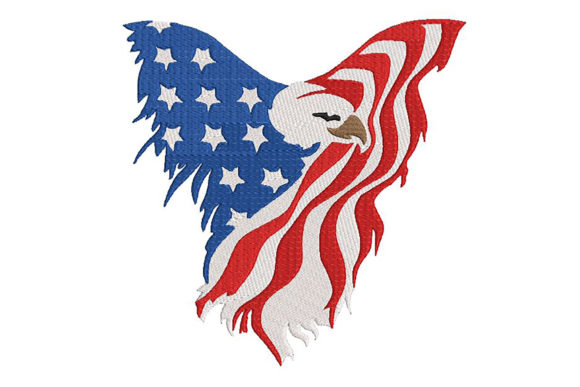
When a client asks for a revision of a previous design, it usually means the core concept resonated, but the execution needed a specific tweak to fit a new vision. That is exactly the story behind the American Flag 2nd Version. As someone who spends hours digitizing and testing machine embroidery design files for real-world application, I approach these "version two" updates with a critical eye. Does the stylization hold up under the needle? Is the eagle integration seamless, or does it create unnecessary density? After reviewing this file, which comes in three distinct sizes for 4×4, 5×7, and 12×8 hoops, I can say it offers a fresh, modern take on a classic North America theme that feels ready for immediate production.
First Impressions: Mood and Visual Personality
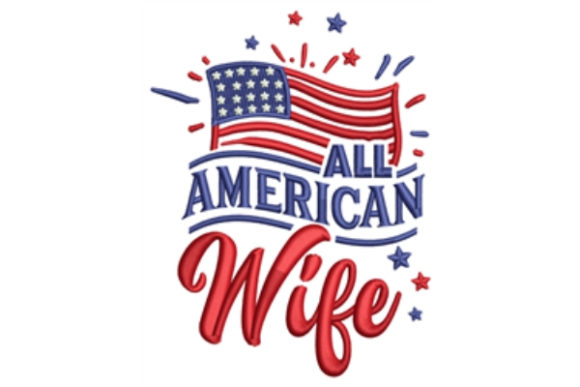
The first thing you notice about the American Flag 2nd Version is its confident simplicity. Unlike traditional, hyper-realistic flag renders that struggle with tiny details on smaller hoops, this design embraces a stylized aesthetic. The fusion of the flag elements with the eagle creates a cohesive badge-like structure rather than two separate images competing for attention. The mood is patriotic without being cluttered, making it an excellent candidate for custom apparel where clean lines translate better to fabric texture.
The layout suggests a design that was digitized with the end product in mind. The shapes are bold enough to survive the compression of stitching, yet detailed enough to look professional. For an Embroidery enthusiast or a small business owner, this visual personality screams "boutique quality." It avoids the cheap, blocky look of low-resolution conversions, offering a sophisticated silhouette that works well on everything from a rugged canvas tote bag design to a soft baby onesie.
Real-World Application: From Concept to Finished Product
To truly evaluate an embroidery file, you have to imagine it stitched out on actual goods. I visualized this design on a navy blue heavyweight cotton sweatshirt, a popular item for fall collections. The contrast of the red, white, and blue threads against the dark fabric would pop beautifully. Because the design is described as an "easy project," it implies manageable stitch counts and straightforward color changes, which is music to the ears of anyone running a busy craft business.
Beyond apparel, this design shines as an embroidered patch. The 4×4 hoop size is perfect for creating iron-on or sew-on patches that can be sold as standalone design assets or added to jackets and hats. Imagine a series of these patches for a Fourth of July collection; the stylized eagle adds a unique flair that separates your small shop product from the generic flags found in big-box stores. It also translates well to home decor, such as a corner accent on a kitchen towel or a central motif on a pillow cover, adding a touch of heritage to modern interiors.
For Etsy sellers looking to expand their holiday inventory, this file is a strong contender for holiday embroidery projects. Whether used for Memorial Day, Independence Day, or Veterans Day, the timeless nature of the imagery ensures it doesn't feel dated after a single season. The versatility allows for creative pairing with text, perhaps adding a family name or a date below the motif for a personalized gift that carries emotional weight.
Technical Considerations and Fabric Compatibility
While the design is labeled as easy, practical judgment requires us to look at where caution is needed. When working with the smallest 4×4 hoop size, attention to detail is paramount. If you are stitching this on a textured fabric like a waffle knit or a thick terrycloth towel, ensure your stabilizer choice is robust. A cut-away stabilizer is often safer than tear-away for designs with solid fill areas to prevent distortion over time, especially if the finished product will be washed frequently.
Curved surfaces present another challenge. If you plan to use this on a cap, the 4×4 version is likely your only viable option due to the limited sewing field of most hat frames. However, be mindful of the stitch density in the eagle's wing or the flag stripes. On a curved surface, high-density fill stitch areas can cause puckering if the fabric isn't properly hooped or if the tension is too tight. Testing on a scrap piece of the actual cap material is non-negotiable here.
Dark fabrics require careful thread selection. While the design likely assumes standard red, white, and blue thread colors, stitching white on black or navy requires a dense underlay to prevent the background from showing through. Conversely, on light fabrics, ensure the outlining satin stitch or running stitch elements are sharp enough to define the edges without bleeding into the fabric weave. Always check the design in a black-and-white mockup first; if the contrast holds up in grayscale, it will likely stitch out clearly regardless of the fabric color.
Enhancing Brand Value and Customer Trust
In the world of handmade goods, the quality of your digital embroidery file directly impacts your brand reputation. Using a well-structured design like the American Flag 2nd Version signals professionalism. Customers may not know the difference between a satin stitch and a fill stitch, but they recognize when a logo looks crisp and intentional versus sloppy and pixelated. This design's clean lines contribute to a polished handmade product presentation, fostering trust and encouraging repeat purchases.
Furthermore, consistency is key for boutique branding. If you are building a line of patriotic goods, having a stylized icon that is distinct from the standard clip-art flags helps establish a recognizable visual identity. This design serves as a strong anchor for a collection, allowing you to create cohesive printable mockups for your online store that look unified and high-end.
Final Designer Notes and Best Practices
Before committing this design to a client's order or listing it as a new item in your shop, there are a few essential steps to take. First, always test the design on a scrap of the same fabric you intend to use for the final item. This reveals any potential issues with fabric texture interaction or tension problems. Second, verify the specific licensing terms provided by the creator. While the description mentions it was made following a customer request, you must confirm whether the license permits commercial use for physical goods or if there are restrictions on selling the digital file itself.
Check the hoop size compatibility with your specific machine model. Even though the file comes in 4×4, 5×7, and 12×8 formats, ensure your machine's maximum embroidery area aligns with these dimensions to avoid frustration during setup. Finally, inspect the small details of the eagle and flag intersection. In some digitizing styles, overlapping elements can create excessive bulk. If you notice this during your test run, consider adjusting the pull compensation or density settings in your software if you have editing capabilities.
The American Flag 2nd Version stands out as a practical, versatile asset for any embroiderer looking to add a touch of stylized patriotism to their repertoire. Its balance of aesthetic appeal and technical feasibility makes it a reliable choice for both personal projects and commercial ventures, provided the user respects the nuances of fabric and machine limitations.