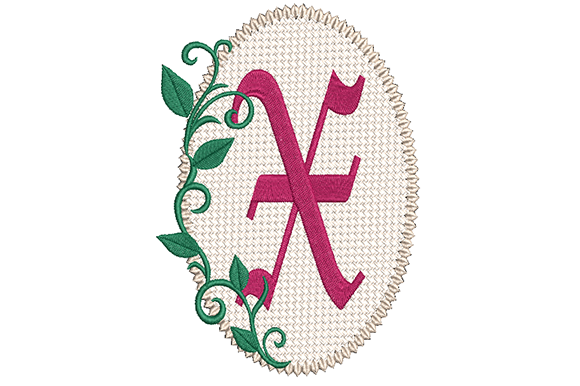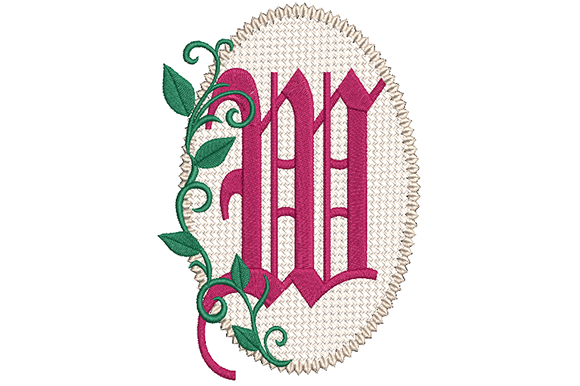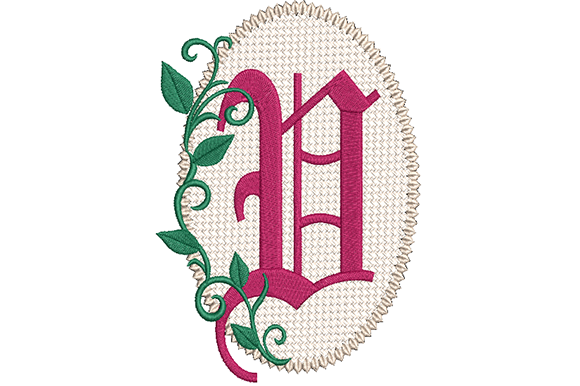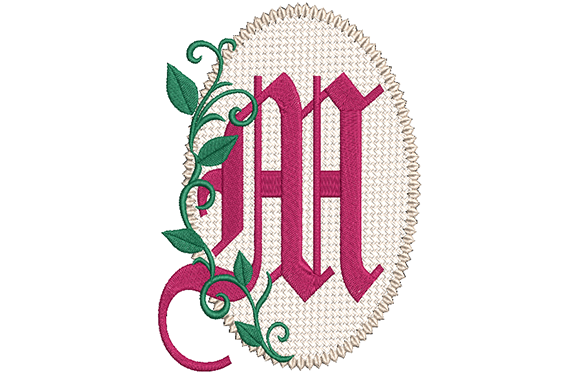
Olde English Monogram Letter O Review for Craft Fairs
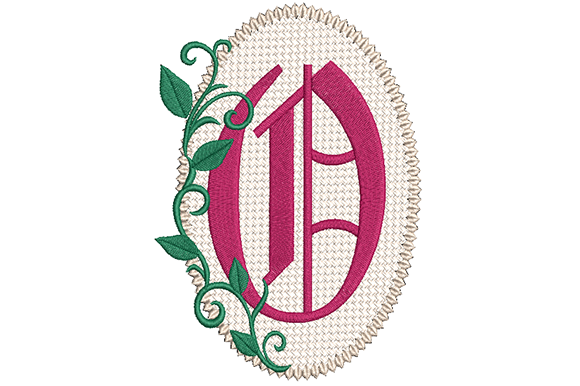
As I prepare my booth for the upcoming weekend market, I am constantly evaluating which machine embroidery design files will actually convert browsers into buyers. My table is destined to be crowded with embroidered tote bags, aprons, tea towels, patches, caps, and small pouches. In this sea of handmade goods, visual impact is everything. Today, I am taking a close look at the Olde English Monogram Letter O. This isn't just a digital file; it is a potential cornerstone for my craft fair product lineup. The description promises an easy-to-embroider experience with a specific feature that catches my eye immediately: a knockdown stitch designed for plush fabrics like terry cloth. For a seller focusing on high-quality handmade products, this technical detail suggests versatility that many standard monograms lack.
First Impressions and Aesthetic Appeal
The moment I load the preview of the Olde English Monogram Letter O, the vibe is unmistakable. It feels elegant, rustic, and undeniably premium. Unlike modern sans-serif fonts that can sometimes feel too corporate or minimal, this Olde English style carries a weight of tradition. It screams "heirloom quality," which is exactly what customers at a boutique maker's booth are looking for. It strikes a perfect balance between bold and decorative. While it could easily fit into a Wedding Monogram collection for bridal showers, its versatility allows it to work equally well for farmhouse kitchen decor or personalized gifts. The aesthetic is soft yet structured, making it a strong candidate for elevating the perceived value of any small shop product it adorns.
Performance Across Different Product Categories
The true test of any digital embroidery file is how it translates from the screen to physical goods. Here is how I see the Olde English Monogram Letter O performing across my planned inventory:
- Tote Bags and Market Bags: As a tote bag design, this letter works beautifully as a large focal point. The thick strokes of the Olde English font ensure readability from across the aisle, drawing customers to the display.
- Kitchen Linens: This is where the promised knockdown stitch shines. For tea towel embroidery on thick terry cloth, standard designs often sink in or look messy. This design is engineered to sit on top of the fabric texture, maintaining crisp edges on plush materials.
- Aprons and Patches: For apron embroidery, the design offers a classic look that appeals to home cooks. When scaled down for an embroidered patch, the density must be checked to ensure the intricate curves don't merge, but the bold nature of the font helps maintain clarity.
- Caps and Pouches: Applying this to curved surfaces like caps requires careful hooping, but the strong lines of the letter O hold up well against the curvature compared to finer script fonts.
Practical Selling and Production Considerations
For an Etsy seller or craft fair vendor, time is money. The description notes that this is an "easy-to-embroider" design, which is music to my ears for batch production. If I am running thirty tote bags before Saturday morning, I need a commercial embroidery asset that runs smoothly without constant thread breaks or trimming nightmares. The Olde English Monogram Letter O appears to have a logical stitch path that minimizes jumps. Furthermore, its boldness makes it incredibly photogenic. When creating a printable mockup for online listings or taking photos for social media, the high contrast of the letter against various fabric colors creates immediate visual interest. It stops the scroll.
However, we must address the practical limitations. While the knockdown stitch is excellent for towels, one must be cautious with stitch density on lighter fabrics like linen or cotton poplin. If the density is too high for the base material, the fabric may pucker. Additionally, while the design is bold, tiny details within the serifs of the Olde English style could get lost if the design is resized too small. It works best as a statement piece rather than a subtle accent on a tiny zipper pull.
Critical Notes for Careful Use
To ensure every finished product leaves my booth looking professional, I am keeping the following constraints in mind:
- Fabric Compatibility: While great for terry cloth, test extensively on dark fabrics. Light thread on dark fabric is stunning, but ensure the knockdown stitch doesn't create a visible shadow or bulk that distorts the drape of the garment.
- Curved Surfaces: When embroidering on caps, the thick vertical lines of the letter 'O' can sometimes cause registration issues if the hat seam interferes. Always center carefully.
- Scaling Limits: Do not shrink this design below the recommended minimum size. The intricate inner counters of the Olde English font need space to breathe; otherwise, they will fill in with thread.
- Thread Contrast: This design relies on shape. Using a thread color that blends too much with the fabric will negate the impact. High contrast is key for maximum customer attention.
Enhancing Brand Consistency and Buyer Engagement
Incorporating the Olde English Monogram Letter O into my collection does more than just add a product; it strengthens my brand identity. It signals to the buyer that I care about typography and classic design elements. Whether a customer is buying a single pillow cover or a set of monogrammed hand towels, the consistency of using such a distinct font creates a cohesive booth display. It invites engagement, prompting questions like, "Can you do my initial in this style?" which opens the door for custom orders and higher ticket sales.
Before I commit to stitching hundreds of yards of thread, my final step as a professional designer is validation. I will absolutely test the design on scrap fabric that matches my actual inventory. I need to verify the hoop size requirements and ensure I have the correct stabilizer to support the knockdown stitch on those plush towels. I also need to confirm the specific licensing terms included with the file to ensure I am cleared for commercial use, as some "personal use" files can trap unsuspecting sellers. Assuming the license permits, this design is a robust asset. It bridges the gap between traditional Embroidery artistry and modern market demands, offering a reliable, beautiful solution for anyone looking to elevate their handmade offerings.