Review: Unique FSL Applique Star Mug Rug Design
When I first pulled up the preview for the Unique FSL Applique Star Mug Rug, my immediate reaction was one of cautious optimism. As a designer who spends hours staring at stitch maps and digitized paths, I look for more than just a cute shape; I look for structural integrity and practical application. This design promises a lot: a Free Standing Lace (FSL) edge, an appliqué center, and an In-The-Hoop (ITH) construction method. But does it hold up when you move from the screen to the hoop? After mentally walking through the stitching process and considering how this would translate to a finished product for a client or a boutique shelf, here is my professional take on whether this machine embroidery design deserves a spot in your library.
First Impressions and Visual Personality
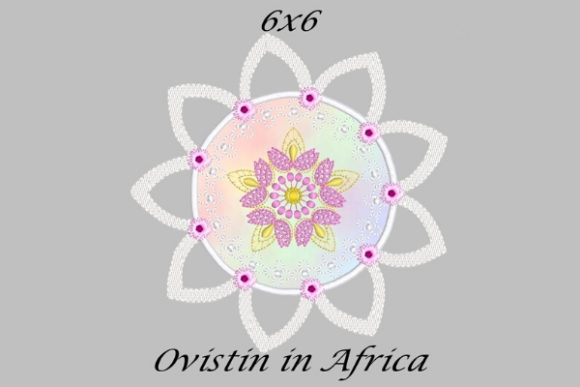
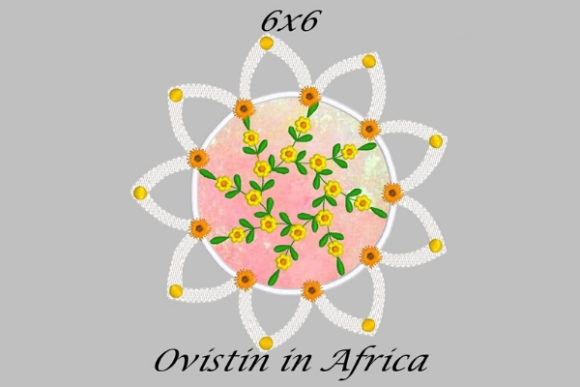
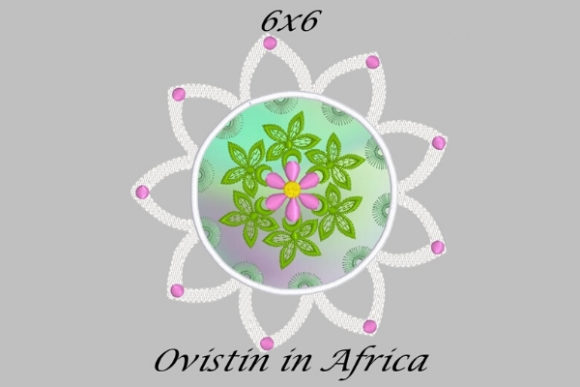
The aesthetic of this piece is undeniably charming. The star motif is a classic, but the execution here leans towards a whimsical, handmade vibe rather than a rigid, geometric precision. The combination of the delicate FSL border with the solid appliqué center creates a lovely textural contrast. Visually, it feels cozy and inviting, making it an ideal candidate for holiday embroidery projects or year-round kitchen decor. The layout suggests a balance between decorative flair and functionality. The FSL edge gives it a "floating" quality that elevates it above a standard flat mug rug, adding a layer of sophistication that customers often associate with high-end handmade products.
However, the visual appeal relies heavily on your thread choices. Because the design incorporates both open lacework and dense satin areas, the contrast between your thread colors and the fabric background will dictate the final impact. A monochromatic scheme might get lost, whereas a bold contrast could make the star pop effectively. It is a design that rewards thoughtful color theory.
Real-World Application: Beyond the Coffee Table
While the product description labels this as a mug rug, my mind immediately went to its potential versatility in a craft business setting. Imagine preparing a custom order for a local boutique that specializes in nursery decor. This star design, with its soft edges and playful shape, could easily be adapted into a hanging wall ornament or a decorative patch for a tote bag design. The ITH method ensures clean edges without the need for manual trimming, which is a massive time-saver when producing small shop products in bulk.
Consider a scenario where you are creating personalized gifts for a wedding party. Instead of a standard coaster, this item serves as a thoughtful, usable keepsake. The inclusion of a batting inlay, as noted in the specs, is crucial here. It provides necessary heat resistance, ensuring the item functions correctly as a mug rug while maintaining its shape. For an Etsy seller, this dual function of decor and utility increases the perceived value of the listing. It is not just a piece of fabric; it is a finished, functional accessory.
I also see potential for this design in baby embroidery projects. If scaled appropriately or used as a motif on a larger item, the soft FSL edges are gentle against skin, unlike some scratchier satin borders. It could adorn a blanket corner or serve as a teething-friendly tag on a security blanket, provided the stitching is secure.
Technical Performance and Stitching Considerations
Let's talk about the mechanics. The design requires a 6×6 hoop size, which is a standard dimension for many home machines but requires careful planning if you are using a smaller field machine. The ITH method means you will be managing multiple layers: the base fabric, the batting inlay, the appliqué piece, and the FSL topping or backing. This layering is where many designs fail, but the specification of a satin backing in this file suggests the digitizer has accounted for a professional finish on the reverse side.
One area requiring close attention is the stitch density in the FSL sections. Free Standing Lace can be temperamental. If the density is too low, the structure may feel flimsy; too high, and the needle perforation could weaken the threads, leading to breakage. Before committing to a final run, it is imperative to test the design on scrap fabric that mimics your final material. Pay particular attention to the points of the star. Sharp corners in FSL are prone to bunching if the turn commands in the embroidery file aren't optimized.
The appliqué center adds another variable. You must ensure your fabric choice for the appliqué piece is stable. Lightweight quilting cotton is usually safe, but avoid stretchy knits unless you use a heavy-duty cut-away stabilizer. The tutorial included with the design is a significant asset here. Always review the sequence instructions carefully, especially regarding when to place the batting and when to trim the excess. Skipping a step in an ITH project can ruin the entire piece.
Navigating Fabric and Material Challenges
Where should you use caution? Textured fabrics like terry cloth or heavy linen might interfere with the fine details of the FSL edge. The lace needs a smooth foundation to sit flat during stitching. Similarly, dark fabrics can sometimes make the lighter threads of the FSL look dull if there isn't enough underlay. I recommend running a test on both light and dark backgrounds to check for visibility.
Curved surfaces are generally off-limits for this specific type of rigid FSL construction. While it works beautifully on flat items like pillow covers or tea towels, attempting to apply this to a cap or a curved pocket of a sweatshirt could result in warping. Stick to flat planes for the best results. Additionally, because this item is designed for heat resistance and likely frequent washing, ensure your thread is high-quality polyester or rayon that can withstand laundering without fading or fraying.
Commercial Viability and Brand Consistency
For those looking to integrate this into a line of commercial embroidery products, the Unique FSL Applique Star Mug Rug offers strong branding potential. Its distinctive look helps in creating recognizable design assets that customers can instantly identify as yours. The professional finish provided by the satin backing means you don't have to hide the back of the work, which builds customer trust. When a buyer turns over a product and sees a clean, finished back, it signals quality craftsmanship.
In terms of marketing, this design photographs well. The texture of the lace against the smooth appliqué creates depth in images, making it perfect for printable mockups and social media previews. However, remember to verify the licensing terms before selling. Just because a tutorial is included doesn't automatically grant commercial rights to the digital embroidery file itself or the finished goods in all contexts. Always confirm whether you can sell the physical items or if the license is for personal use only.
Final Verdict for the Working Designer
The Unique FSL Applique Star Mug Rug is a solid addition to a versatile Sewing and Embroidery toolkit. It bridges the gap between a quick gift and a sellable boutique item. The thought put into the batting inlay and satin backing shows a level of detail that respects the end-user's experience. While it demands respect for the technical aspects of FSL stitching and proper stabilizer selection, the payoff is a polished, professional-looking product.
If you are an experienced maker looking to expand your range of personalized gifts or add a unique touch to your holiday collection, this design is worth the investment. Just remember: test your tension, mind your materials, and let the included tutorial guide your hands. With the right execution, this star can shine brightly in your portfolio.