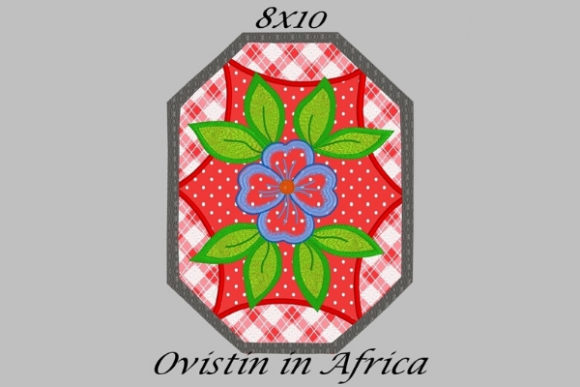
Review: Red Floral Applique Placemat for Makers
As an embroidery designer who spends countless hours digitizing and stitching out files for both personal projects and client orders, I know that not every machine embroidery design found online is ready for commercial use. Recently, I came across the Red Floral Applique Placemat on Creative Fabrica and decided to evaluate it through the lens of a professional looking to expand their product line. This isn't just a quick glance at a pretty picture; it is a deep dive into whether this applique design holds up under the scrutiny of real-world production, from tote bags to boutique home decor.
First Impressions and Visual Mood
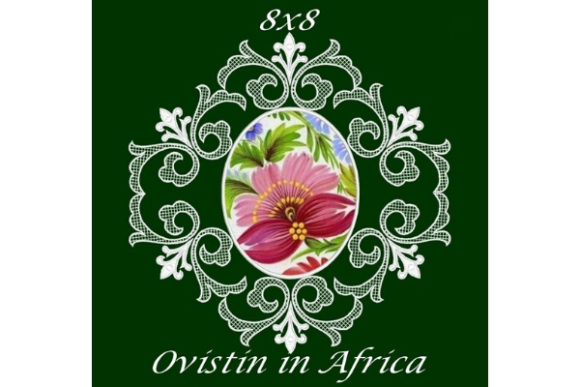
The first thing that strikes you about the Red Floral Applique Placemat is its bold, classic aesthetic. The color palette suggests warmth and tradition, making it an excellent candidate for seasonal collections, particularly for autumn holidays, Valentine's Day, or rustic farmhouse-style interiors. Unlike some overly complex digital files that rely on thousands of tiny stitches, this design leans into the charm of applique. The visual mood is inviting and handmade, which is exactly what modern consumers are looking for when they browse Etsy or visit local craft fairs.
The design features two distinct applique placements, which immediately signals versatility. In the world of Sewing and Embroidery, having multiple placement options in a single file often means you can adapt the motif for different aspects of a product without buying separate designs. The floral elements appear to have a soft, organic flow, avoiding the rigid, computer-generated look that sometimes plagues lower-quality embroidery files. For a designer, this "stitching personality" is crucial because it dictates how the final finished product will feel to the touch and look in photographs.
Adapting the Design for Commercial Products
While the title suggests a placemat, limiting this design to table linens would be a missed opportunity for small business owners and creative entrepreneurs. My initial thought was to test this on a canvas tote bag design. The red florals would pop beautifully against natural beige or heavy-duty black canvas, creating a high-contrast look that sells well in boutique markets. Similarly, this could be scaled or positioned as a central motif on a linen apron, adding a touch of vintage elegance to kitchen wear.
For those specializing in custom apparel, this design could work wonderfully on the pocket of a denim jacket or as a large back patch on a sweatshirt embroidery project. The applique technique adds texture and dimension that flat stitching cannot achieve, increasing the perceived value of the item. If you are selling handmade products, texture is a key selling point that encourages customers to pick up the item and engage with it. Furthermore, the design could be adapted for nursery decor, perhaps stitched onto a pillow cover or a baby blanket, provided the fabric choices are soft and the applique edges are secured tightly for safety.
Technical Considerations for Real-World Stitching
Before committing to a full production run, any experienced digitizer or machine operator must consider the technical constraints. Since the product description highlights that this is an applique design with two placements, understanding the stitch density is vital. Applique generally requires fewer stitches than a full fill, which is great for speed, but it introduces the variable of fabric layers. When working with stretchy fabrics like jersey knits for t-shirts, the stability of the base fabric combined with the applique piece becomes critical. A robust stabilizer is non-negotiable here to prevent puckering, especially around the curved edges of the floral petals.
One specific area of caution is the hoop size. While the description implies it fits standard home decor projects, you must verify the specific dimensions listed on the Creative Fabrica product page before hooping your material. If you intend to use this on smaller items like caps or patches, ensure the design fits within a cap frame or a small rectangular hoop without losing detail. Curved surfaces, such as the front of a baseball cap, can distort wide designs, so testing on a scrap piece of similar fabric is essential. Additionally, if you plan to offer this on dark fabrics, pay close attention to the thread colors specified in the design. You may need to manually adjust the sequence to include an underlay or background fill if the original file assumes a light base.
Enhancing Brand Value and Customer Trust
In the competitive landscape of online selling, the quality of your design assets directly impacts buyer trust. Using a well-executed file like the Red Floral Applique Placemat can elevate your brand consistency. When a customer receives a product where the applique lies flat, the edges are clean, and the colors are vibrant, it reinforces the idea that your shop offers premium quality. This is particularly important for personalized gifts, where the emotional value of the item is high.
From a marketing perspective, this design lends itself well to printable mockups. The bold red flowers create a striking focal point for product photography, whether you are staging a flat lay for Instagram or creating lifestyle images for your Shopify store. High-visual appeal drives engagement, and a design that looks good in photos is half the battle won in e-commerce. However, remember that the physical quality must match the photo. Inspect small details after stitching, such as the tack-down stitches and the final satin border, to ensure there are no loose threads or gaps that might unravel after frequent washing.
Final Verdict and Practical Advice
The Red Floral Applique Placemat shows significant promise for diversifying a commercial embroidery catalog. Its strength lies in its adaptability; it is not just a placemat but a versatile motif that can transform simple blanks into high-value goods. However, success depends on preparation. Always review the specific file details and licensing terms on the Creative Fabrica product page before selling finished items. Licenses vary, and ensuring you have the right to sell physical goods made from the file is a fundamental step for any ethical business owner.
Before launching a new collection featuring this design, I recommend running a comprehensive test. Check the contrast between your chosen fabric and the thread colors. Verify that your machine handles the transition between the placement stitch, the cut, and the final border smoothly. If you are new to applique, practice the "stitch, cut, stitch" workflow on scraps to perfect your timing. By treating this digital embroidery file with the respect and testing it deserves, you can confidently add it to your repertoire of embroidered patch styles, home decor accents, and wearable art. Ultimately, this design serves as a solid foundation for creators who want to blend traditional sewing techniques with modern machine efficiency to create memorable, marketable products.