Review: Minimalistic One Line Puzzle for Modern Stitching
As a designer who spends more time at the hoop than away from it, I am always skeptical of designs that promise "quick and easy" results. Often, simplicity in a digital preview translates to a lackluster finished product or, worse, stitching nightmares on textured fabrics. However, after pulling the Minimalistic One Line Puzzle file into my software and running a test stitch-out, I found a gem that balances modern aesthetics with practical execution. This isn't just another shape; it is a versatile asset for anyone looking to elevate their handmade product lineup without overcomplicating the production process.
The Aesthetic: Clean Lines and Modern Mood
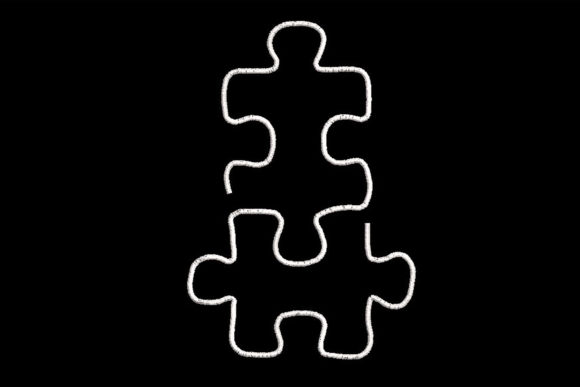
The first thing that strikes you about this design is its confidence. In the world of Shapes and Embroidery, there is a tendency to over-decorate, adding unnecessary fills or complex borders. This design resists that urge. It relies entirely on a continuous single line to define the form of a puzzle piece. The mood is intellectual yet playful, making it perfect for educational themes, team-building merchandise, or simply as a symbol of problem-solving and connection.
Visually, the layout is incredibly open. Because it utilizes a running stitch approach rather than dense fill stitch or heavy satin stitch blocks, the negative space does all the heavy lifting. This gives the design a breathable quality that feels very contemporary. When placed on a garment, it doesn't look like a heavy patch slapped on top; instead, it feels integrated into the fabric itself. For Etsy sellers and boutique owners, this subtle sophistication often commands a higher perceived value than busier, more chaotic designs.
Real-World Application: The Tote Bag Test
To truly evaluate an embroidery file, you have to imagine it in a real-life scenario. I envisioned a custom order for a local bookstore needing branded tote bag design options for their summer reading challenge. They wanted something recognizable but not overwhelming. The Minimalistic One Line Puzzle was the immediate choice.
Stitched onto a natural canvas tote, the design performed beautifully. The low number of stitches mentioned in the description holds true, which meant the stitching time was minimal, allowing for faster turnaround on bulk orders. More importantly, the single-line style prevented the canvas from puckering, a common issue with denser machine embroidery design files on thick materials. The result was a crisp, clean icon that looked professional and intentional. Customers interacting with these bags would likely appreciate the clever nod to "putting the pieces together" regarding their reading lists, adding a layer of storytelling to the finished product.
Versatility Across Products
Beyond tote bags, this design shines in several other categories due to its adaptability:
- Custom Apparel: On a heavyweight sweatshirt, this design works perfectly as a left-chest logo. It is small enough to be subtle but distinct enough to be noticed.
- Baby Embroidery: For nursery decor or baby onesies, the soft, continuous line feels gentle and safe, avoiding the scratchy feel of dense stitching against sensitive skin.
- Holiday Embroidery: While not traditionally festive, the puzzle motif fits wonderfully for "family game night" themed holiday gifts or advent calendar projects.
- Commercial Embroidery: For corporate clients in tech or education sectors, this serves as an excellent, non-intrusive branding element on polos or caps.
Technical Considerations and Fabric Compatibility
While the design is robust, a professional reviewer must point out where caution is needed. The beauty of a single continuous line is also its vulnerability. On highly textured fabrics like looped terry cloth or rough linen, a thin running stitch can sometimes get lost or appear uneven if the tension isn't dialed in perfectly. I recommend testing the design on scrap fabric first, specifically checking how the thread sits on the specific texture you plan to use.
Furthermore, when working with stretchy fabrics like jersey knits for t-shirts, the use of a proper stabilizer is non-negotiable. Even with a low stitch count, the movement of the fabric during wear can distort a simple geometric shape if it isn't supported correctly. For dark fabrics, ensure you select high-contrast thread colors. A navy thread on a black shirt might render the puzzle invisible, defeating the purpose of the minimalist aesthetic.
Regarding the hoop size, the design is optimized for a 4″ x 4″ hoop. This is standard for most home machines and small commercial setups. However, if you are adapting this for a larger backdrop, such as a blanket or a large pillow cover, ensure you do not simply enlarge the file without checking the stitch density. Enlarging a single-line design too much can make the gaps between stitches visible and jagged, ruining the smooth illusion of the continuous line.
Enhancing Brand Value and Customer Trust
In the competitive landscape of craft business and digital embroidery file sales, consistency is key. Using a design like the Minimalistic One Line Puzzle helps maintain a cohesive brand identity. It signals to your customers that you value clean design and quality execution. When a customer receives a personalized gift or a small shop product that looks professionally digitized and neatly stitched, their trust in your brand deepens.
This design also excels in printable mockup presentations. Because the lines are so clear, it photographs exceptionally well for social media marketing or website listings. You don't need complex lighting to show off the details; the simplicity speaks for itself. This ease of presentation can significantly boost buyer engagement and conversion rates for online stores.
Final Verdict for Designers and Makers
The Minimalistic One Line Puzzle is a testament to the idea that less is often more. It is a practical, efficient, and stylish choice for a wide range of applications, from embroidered patch creation to sweatshirt embroidery. It respects the maker's time by keeping stitch counts low while respecting the end-user's eye with its elegant simplicity.
Before integrating this into your commercial workflow, remember to verify the specific license terms provided with the download. While it is suitable for beginners, experienced designers will appreciate its reliability. Check your thread colors against your intended fabric palette, confirm the hoop size compatibility with your machine, and always run a test stitch. If you are looking for a design asset that bridges the gap between hobbyist fun and professional utility, this puzzle piece is a solid addition to your library.
Ultimately, this design proves that you don't need thousands of stitches to make an impact. With the right fabric, proper stabilization, and a keen eye for placement, the Minimalistic One Line Puzzle can become a signature element in your portfolio of custom apparel and handmade goods.