Rainbow Baby Hippo Bib: A Designer's Review for ITH Projects
As an embroidery designer who spends countless hours digitizing and stitching out files for clients, I know that the difference between a good product and a great one often lies in the details. When I stumbled upon the Rainbow Baby Hippo Bib on Creative Fabrica, my immediate thought was not just about the cuteness factor, but about its viability for real-world commercial use. In the competitive world of handmade goods, especially within the nursery sector, we need designs that are not only visually appealing but also technically sound for In The Hoop (ITH) construction.
First Impressions and Visual Mood
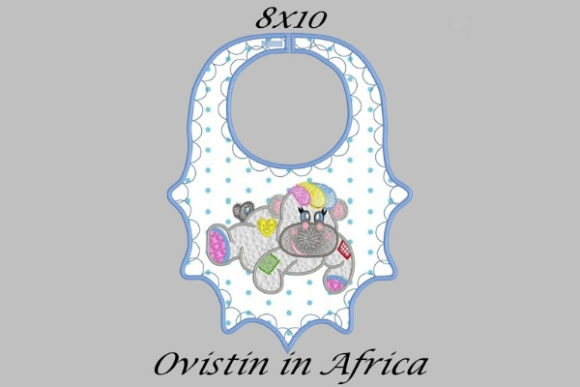
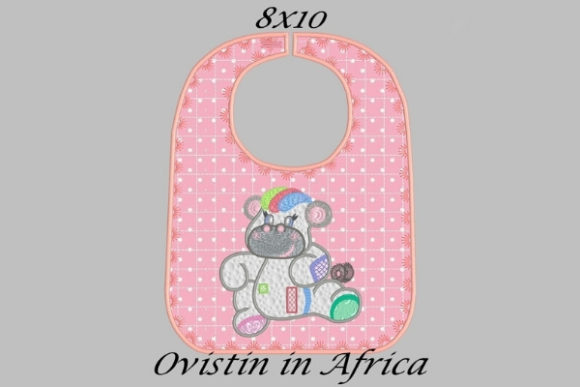
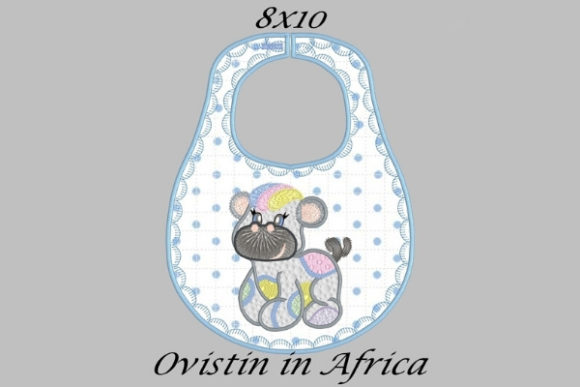
The first thing that strikes you about this machine embroidery design is its cheerful, vibrant energy. The concept of a rainbow-themed hippo is inherently playful, tapping into a popular trend in modern nursery decor and baby apparel. Visually, the design promises a soft, rounded aesthetic that suits the gentle curves of a baby bib perfectly. For designers looking to expand their catalog of baby items, this file offers a distinct personality that stands out from generic animal motifs.
The decorative appeal here is strong. It balances whimsy with structure, which is crucial for ITH projects where the embroidery itself forms the shape and function of the item. The inclusion of a batting inlay, as noted in the description, suggests a focus on texture and comfort. This is a vital detail; parents want bibs that are absorbent and soft against sensitive skin, and a design that accounts for loft and padding shows a level of thoughtful engineering that I appreciate as a professional.
Evaluating Performance for Real Projects
Before committing to a full production run or listing this as a finished product on Etsy, it is essential to consider how the Rainbow Baby Hippo Bib performs across various applications. While the primary intent is clearly a baby bib for ages 4-12 months, the versatility of such a design can extend further for the creative entrepreneur.
For those specializing in custom apparel or sweatshirt embroidery, elements of this design could be adapted for chest logos on children's hoodies, provided the stitch density allows for comfortable wear on stretchy fabrics. However, since this is specifically an ITH project, its strongest use case remains in the realm of functional baby gear. Imagine offering these as part of a curated gift set alongside matching burp cloths or nursery wall art. The visual consistency helps build brand trust and enhances the perceived value of your handmade shop.
If you are selling at craft fairs or through boutique merchandise channels, the "finished product" look of an ITH bib is a major selling point. Customers love seeing clean edges and professional construction, which ITH files facilitate when executed correctly. This design could easily become a staple in your inventory for baby showers and seasonal handmade gifts.
Technical Considerations for Stitching
Every experienced embroiderer knows that a pretty preview image does not always guarantee a smooth stitch-out. When working with the Rainbow Baby Hippo Bib, there are several practical factors to keep in mind to ensure high-quality results.
- Hoop Size and Machine Compatibility: Since this is an ITH project, confirming the required hoop size is critical before you start. The description mentions it fits a 4-12 month old, implying a specific dimension. Always check the product details on the Creative Fabrica page to ensure your machine's hoop capacity matches the file requirements.
- Fabric and Stabilizer Selection: Baby items undergo frequent washing. Using the correct stabilizer is non-negotiable. For an ITH bib with batting inlay, a cut-away stabilizer is often recommended to provide lasting support, especially if you are using stretchy knit fabrics or textured towels. Test on scrap fabric first to see how the layers interact.
- Stitch Density and Texture: The mention of "batting inlay" indicates there will be multiple layers. Be mindful of stitch density in the colorful rainbow sections. If the fill stitch areas are too dense, they might cause puckering or make the bib stiff. Conversely, if they are too light, the batting might show through. A test stitch-out on similar fabric weight is the best way to gauge this.
- Thread Colors: Rainbow designs require precise thread color changes. Ensure you have high-quality threads that offer good coverage, particularly if you are stitching on darker fabric backgrounds, although bibs are typically made from lighter, pastel, or white fabrics.
Enhancing Product Value and Brand Consistency
In the eyes of a customer, the quality of the embroidery directly reflects the quality of the brand. A well-executed Rainbow Baby Hippo Bib can significantly boost buyer trust. The clean lines of the hippo and the vibrant saturation of the rainbow colors contribute to a high-end look that justifies a higher price point compared to mass-produced alternatives.
For online sellers, the visual appeal of this design translates beautifully into product photography. The distinct shapes and bright colors pop in images, increasing click-through rates on platforms like Etsy or Instagram. Furthermore, because the design includes a tutorial, it supports consistency in your production process. Whether you are making one for a friend or fifty for a holiday market, having clear instructions ensures every unit meets your standards.
It is also worth considering the "giftability" factor. Items that look professionally finished and come with a story—like a handcrafted, in-the-hoop creation—make excellent personalized gifts. You can easily add value by pairing the bib with other nursery items or customizing the packaging to match the whimsical theme of the hippo.
Final Thoughts on Commercial Use
Ultimately, the Rainbow Baby Hippo Bib appears to be a solid addition to a designer's library of design assets. Its strength lies in its specific application as a functional, adorable baby item that leverages the precision of ITH embroidery. However, as with any digital download, due diligence is key.
Before listing finished items for sale, always review the licensing terms on the Creative Fabrica product page. While many files allow for commercial use of the physical finished product, restrictions can vary. Additionally, verify the file formats provided to ensure compatibility with your specific embroidery machine software.
By testing the stitch density, choosing the right stabilizer, and paying attention to the finishing details, you can transform this digital file into a tangible product that delights customers and strengthens your reputation as a skilled craftsperson. Whether you are decorating a tote bag, creating a patch, or sewing up a batch of bibs, this design offers a charming opportunity to bring some colorful joy to the nursery market.