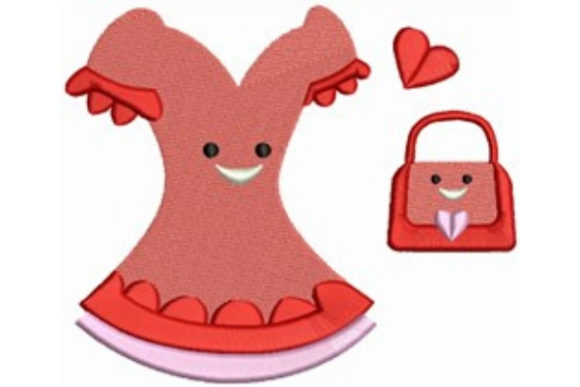
Dress Handbag Embroidery: A Designer's Review
As an embroidery designer who spends hours digitizing and stitching for clients, I am always cautious about downloading new machine embroidery design files. The market is flooded with options, but finding a file that holds up under the pressure of real-world production is rare. Recently, I came across the Dress Handbag listing on Creative Fabrica. Before committing to a large batch of custom apparel or handmade gifts, I needed to know if this design was truly ready for commercial use or just another pretty picture that falls apart in the hoop.
My first impression of the Dress Handbag design was its versatility. In the world of Accessories, trends shift quickly, but a classic handbag motif often remains a staple for boutique merchandise. Visually, the design carries a charming, feminine mood that fits perfectly with current cottage-core and vintage-inspired aesthetics. It isn't overly complex, which is actually a strength; simpler designs often translate better to textured fabrics where high-density details can get lost. The stitching personality appears balanced, suggesting a mix of clean outlines and solid fills that should provide good coverage without excessive bulk.
Evaluating Real-World Performance on Various Fabrics
The true test of any embroidery file is how it behaves on different materials. For this review, I imagined applying the Dress Handbag to several common projects I handle in my shop. If you are an Etsy seller or a craft fair vendor, you likely work with a variety of substrates. Here is how I anticipate this design performing:
- Tote Bags and Canvas: This is arguably the best use case. The structure of canvas supports the stitch density well. The design would look fantastic as a central focal point on a natural cotton tote, perhaps paired with some satin stitch lettering for a personalized touch.
- Sweatshirts and Custom Apparel: When moving to stretchy knits, caution is required. The Dress Handbag motif seems suitable for chest placements on sweatshirts, provided you use a cut-away stabilizer to prevent distortion after washing. The design's lines appear distinct enough to remain crisp even on fleece textures.
- Kitchen Towels and Aprons: For home decor items, the visual appeal is high. However, these items undergo frequent washing. You must ensure the thread colors chosen have high colorfastness. The design's scale seems appropriate for the corner of an apron or the hem of a tea towel.
- Caps and Curved Surfaces: This is where many designs fail. If the Dress Handbag has wide fill areas, it might pucker on a curved cap surface. I would recommend testing this on a scrap cap first. If the design includes small, intricate details, they may not stitch out cleanly on the stiff fabric of a baseball hat.
Technical Considerations for Professional Results
Before you download and start stitching, there are practical technical aspects to consider. Since the product description mentions it is ready for your next sewing project but does not specify exact metrics, you must verify the details on the Creative Fabrica product page. Specifically, check the hoop size requirements. If you are working with small hoops on older machines, ensure the design fits without needing to re-hoop, which can lead to alignment issues.
Another critical factor is stitch density. High-density areas look luxurious but can cause fabric puckering, especially on lightweight materials like baby blankets or thin t-shirts. If the Dress Handbag utilizes heavy fill stitch techniques, you may need to adjust your tension or switch to a lighter weight thread. Conversely, if it relies heavily on running stitch or applique design elements, you will need to pay close attention to your placement accuracy, as there is less margin for error to cover mistakes.
I also advise checking the file formats included. As a professional, I need files compatible with Brother, Janome, and Bernina machines. Ensure the digital embroidery file package includes the specific format your machine requires to avoid conversion errors that can corrupt stitch data.
Impact on Product Value and Brand Consistency
Using high-quality assets like the Dress Handbag directly influences buyer trust and the perceived value of your handmade product. In a saturated market, the difference between a amateur-looking stitch and a professional finish often comes down to the quality of the source design. A clean, well-digitized motif enhances your brand consistency. If you sell personalized gift items, customers expect perfection. A design that pulls or gaps can damage your reputation.
Furthermore, this design offers excellent potential for printable mockup creation. Before even stitching a single thread, you can use the image to create digital listings for your online shop. This allows you to gauge customer interest in tote bag design concepts or sweatshirt embroidery ideas without upfront material costs. The visual charm of the handbag motif is strong enough to stand alone in product photography, driving customer engagement and clicks.
Final Verdict and Usage Recommendations
Is the Dress Handbag worth adding to your library? Based on its aesthetic appeal and potential adaptability, it seems like a strong contender for creators focusing on commercial embroidery for boutiques and gift shops. However, "ready-to-stitch" does not mean "foolproof." Every machine and fabric combination is unique.
Here is my recommended workflow before using this in a paid order:
- Test on Scrap Fabric: Always stitch a sample on the exact same material you intend to sell. This reveals issues with tension and stabilizer needs.
- Check Thread Contrast: Experiment with different thread colors. While the default preview might show pastels, this design could pop beautifully with bold, contrasting threads on dark fabric.
- Inspect Small Details: After stitching, examine the edges of the handbag shape. Are there loose jumps? Is the satin column smooth? These tiny details define quality.
- Review Licensing: Finally, and most importantly, read the license terms on the Creative Fabrica page. Confirm that you are allowed to sell finished physical items made with this design asset. Some licenses restrict commercial use or require attribution.
In conclusion, the Dress Handbag appears to be a delightful addition to the Embroidery category for those looking to expand their accessory offerings. It bridges the gap between cute and classic, making it suitable for a wide range of applications from nursery decor to fashion statements. Just remember that the responsibility for the final finished product lies with you, the maker. By taking the time to test and prepare, you can ensure that this design elevates your work rather than complicating it.